

 Emerald
 Sapphire
 Aquamarine
 Garnet
 Peridot
 Amethyst
 Tourmaline
 Topaz
 Citrine
 Turquoise
 Opal
Two Birthstones, One Very Colorful November |Kai Fine Jewelry
Some months get one birthstone. November gets two. And if you ask us, that's a pretty good deal.
There's topaz, a gemstone that comes in everything from soft, barely-there blues to deep, moody shades and warm golden hues. Then there's citrine, with its sunny yellows and rich amber tones. Both are beautiful in their own way, and both have a little history behind them.

First Up, Topaz.
One of our favorite things about topaz? The range. You might know it for its beautiful blue shades, but this natural gemstone also comes in yellow, orange, pink, and more.
Traditionally, golden and orange topaz have been associated with November birthdays. Imperial Topaz, with its rich orange, reddish-orange, and pinkish tones, is especially prized. Blue topaz, meanwhile, has become a favorite in modern fine jewelry (and is also recognized as a December birthstone).
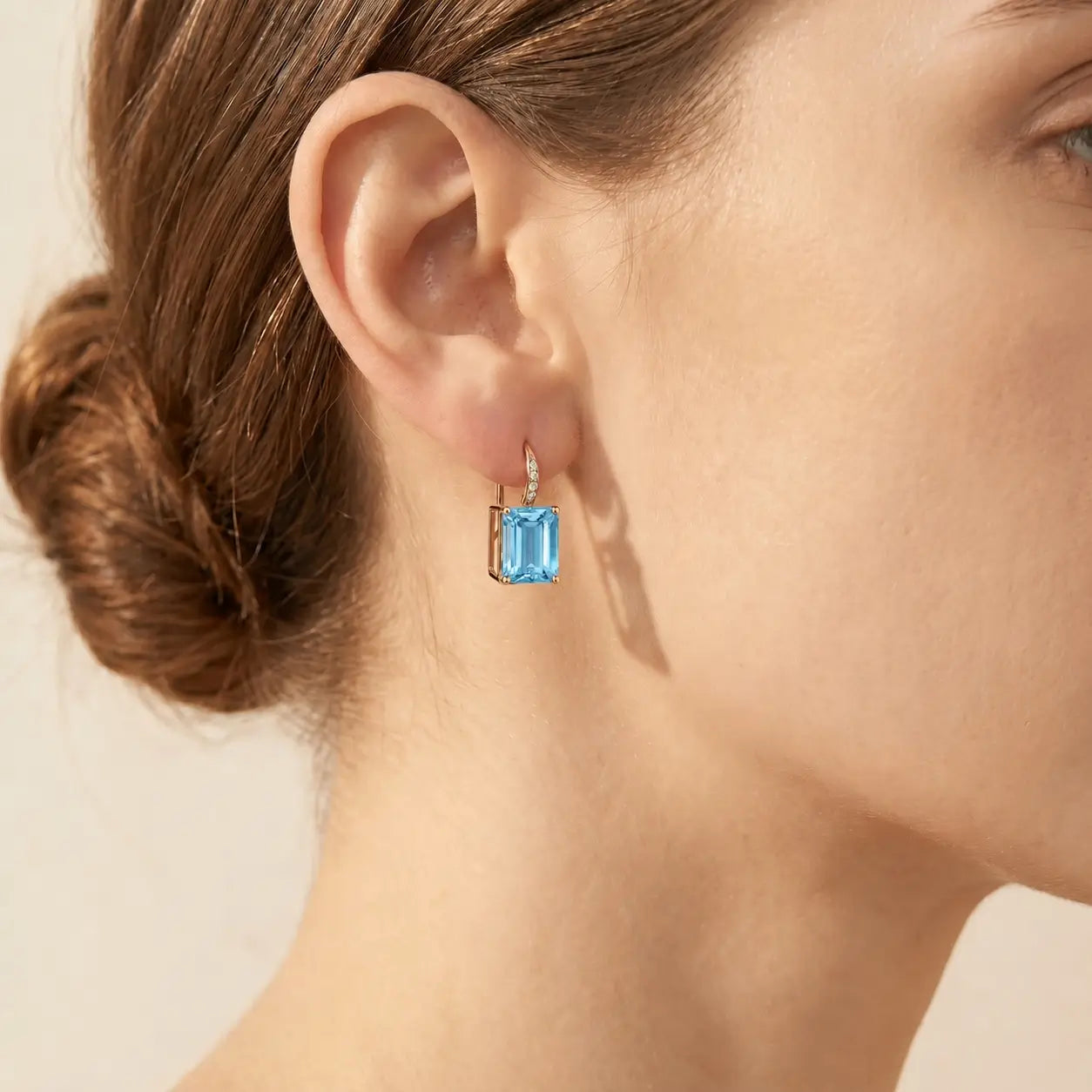
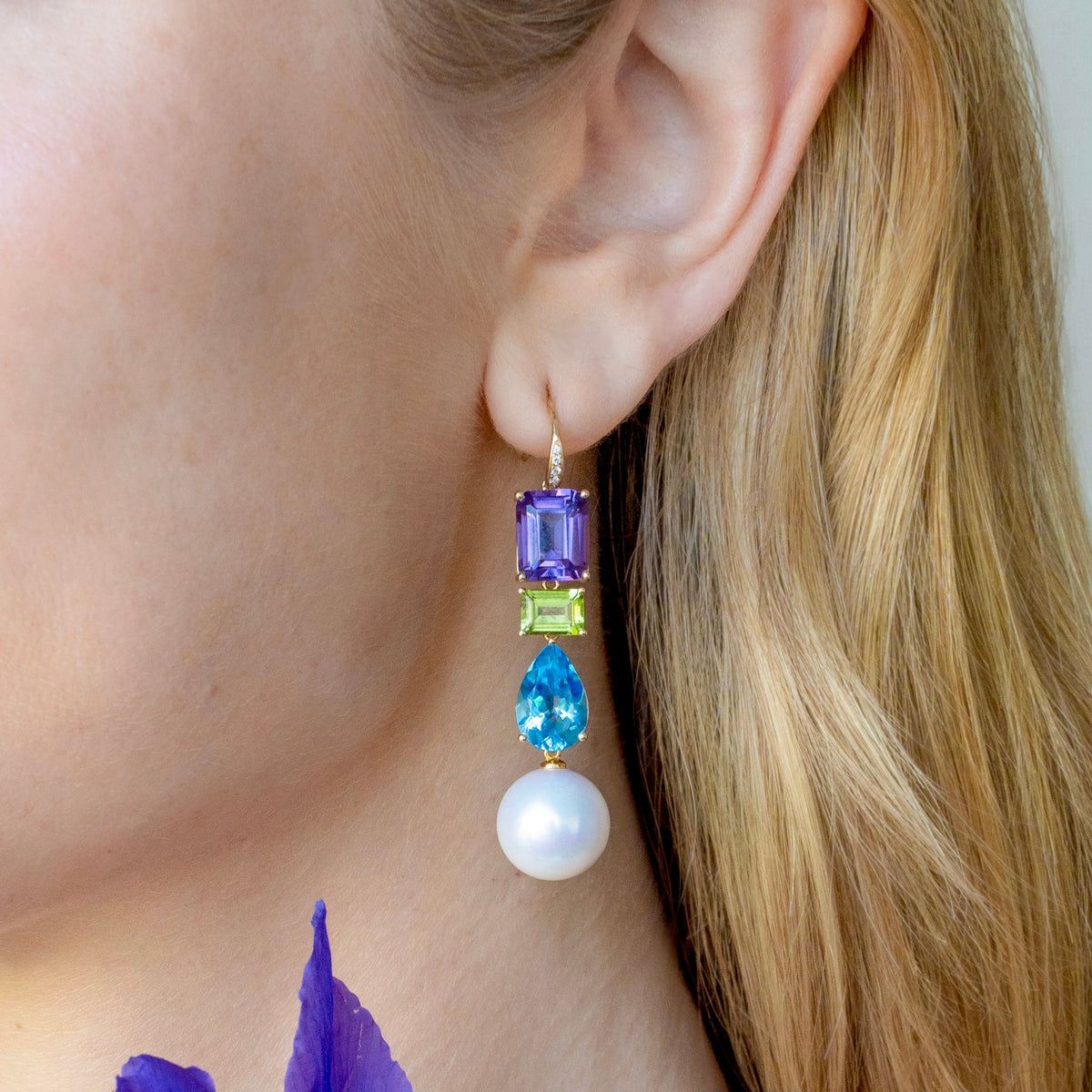
At Kai, we're particularly fond of blue topaz. And while the three shades we work with belong to the same gemstone family, they each have a completely different feel.
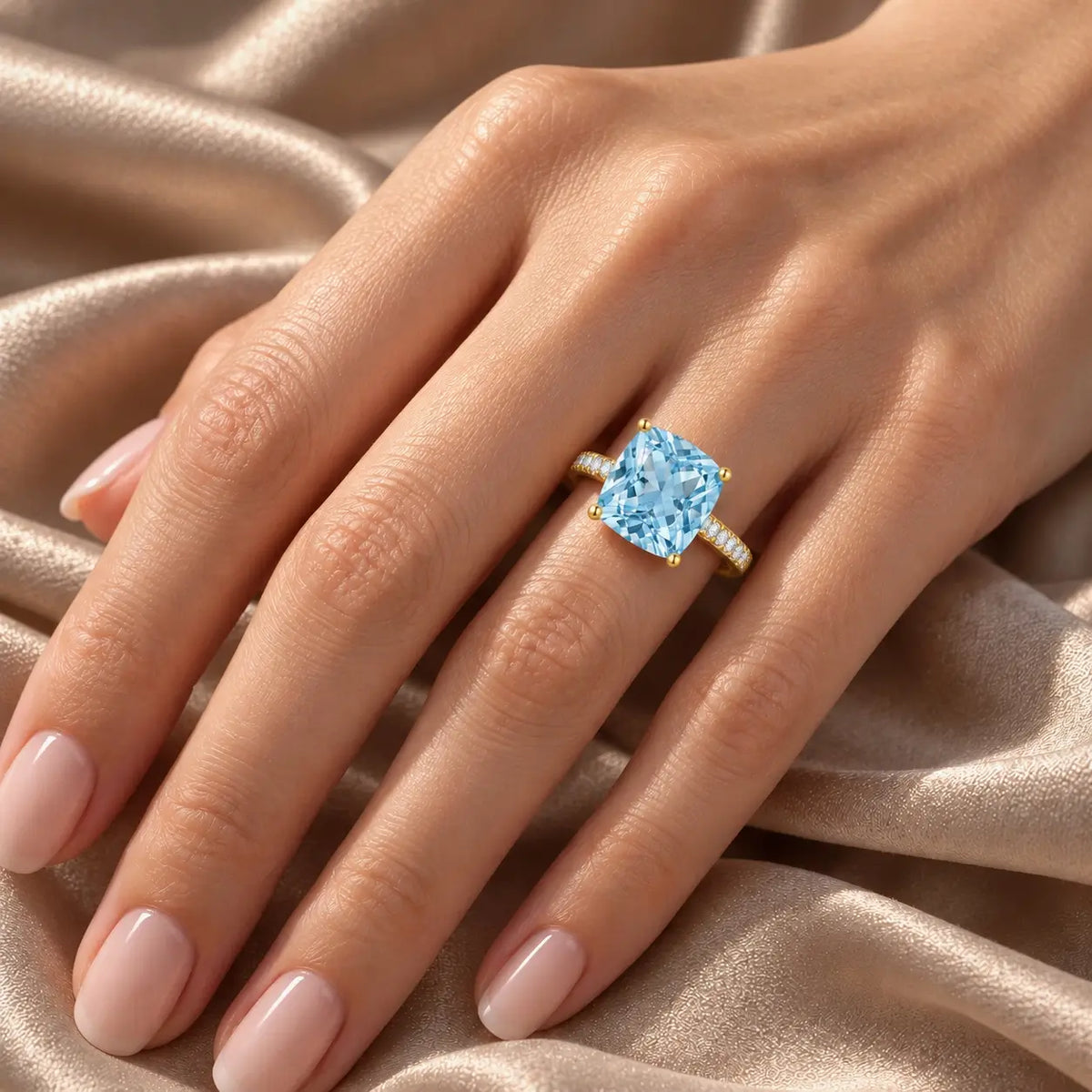
Sky Blue Topaz
Soft, pale, and almost impossibly pretty. Sky Blue Topaz reminds us of those clear mornings when the sky looks like it's been painted. It's subtle enough to wear with absolutely anything.
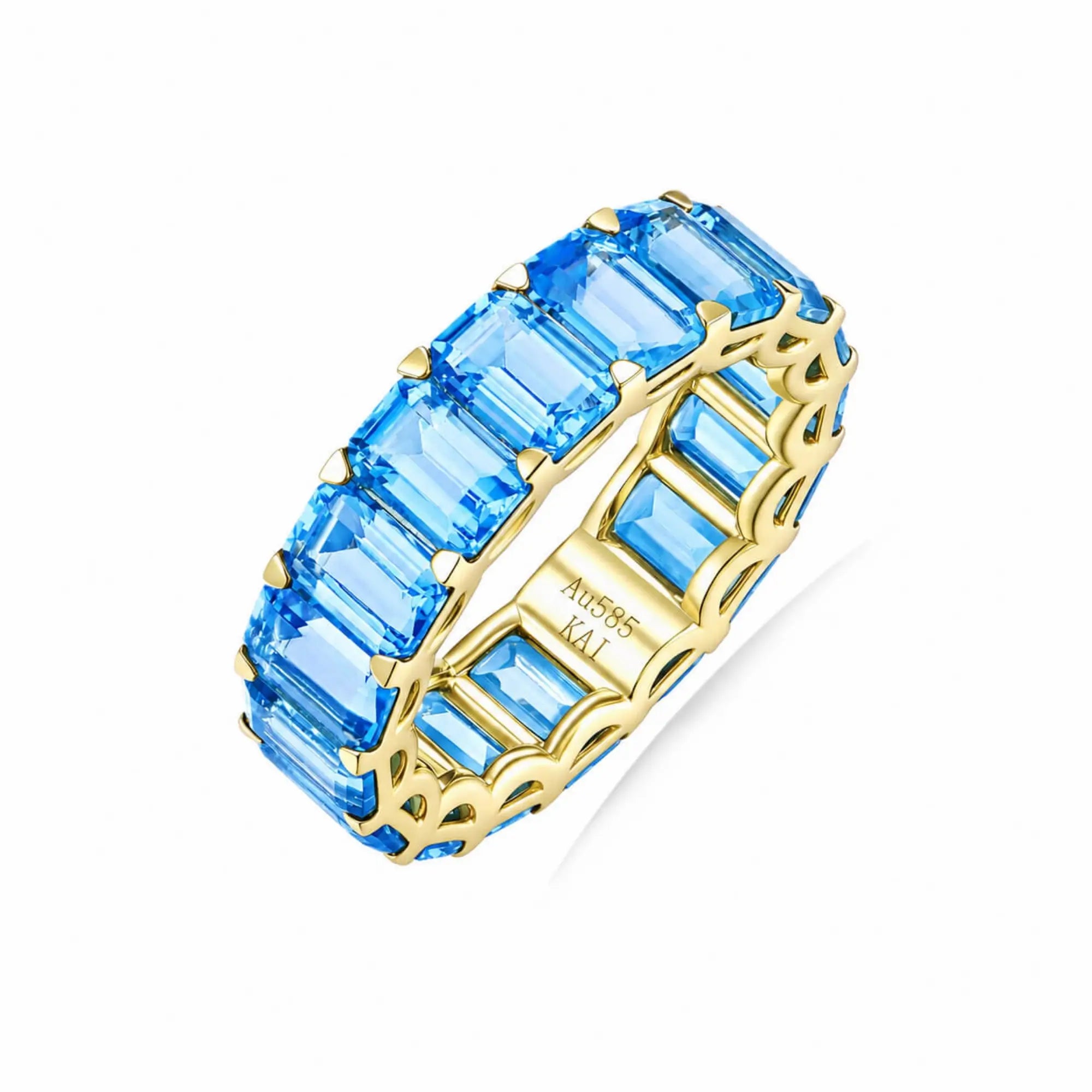
Swiss Blue Topaz
For the color lovers. Swiss Blue Topaz is bright, saturated, and unapologetically blue. It has a playful quality that makes even the simplest jewelry feel a little more interesting.
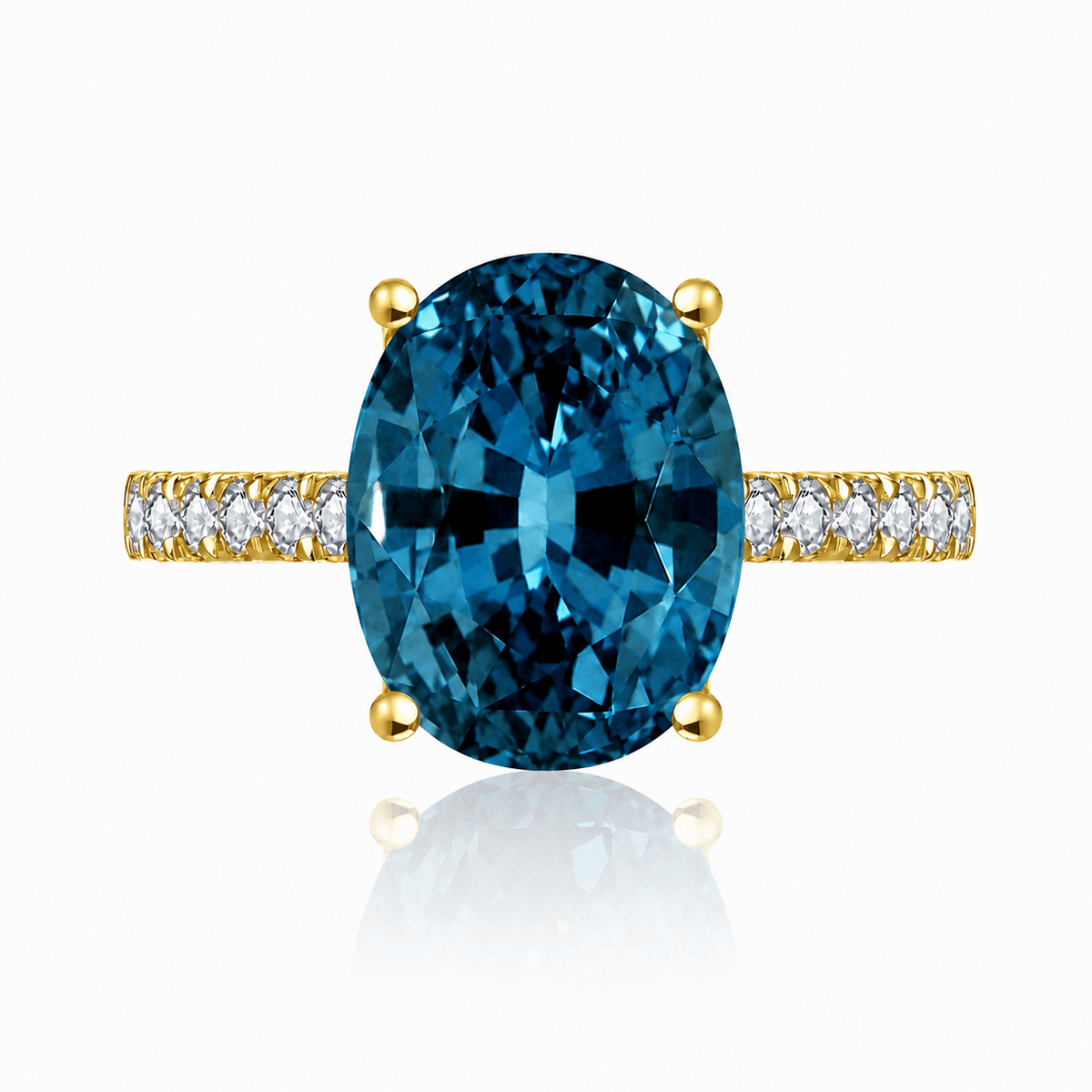
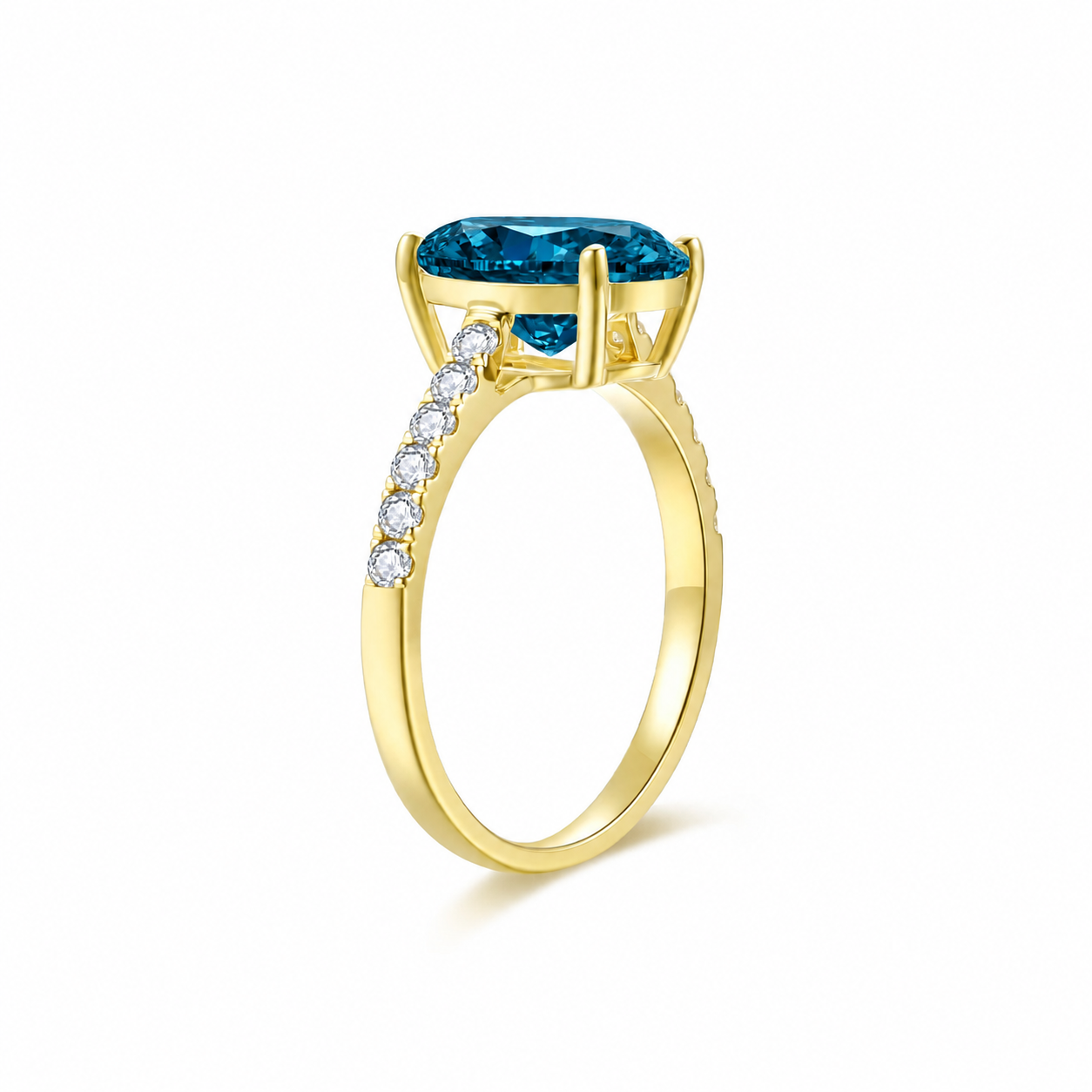
London Blue Topaz
Not quite navy, not quite teal. London Blue Topaz has a depth of color all its own, sometimes with hints of gray or green. It's rich and a little moody, in the best possible way.

A Little More About Blue Topaz
Here's something worth knowing when shopping for blue topaz jewelry: while topaz is a natural gemstone, most blue topaz on the market has been treated with irradiation and heat to achieve its color.
It's a common, widely accepted practice in the jewelry industry. The stone itself is still natural, not synthetic, and properly treated blue topaz that meets applicable radiation safety standards is safe to wear.
And if you're wondering what topaz is actually made of, it's an aluminum silicate mineral containing fluorine and hydroxyl groups. A little gemstone trivia for you.
The Meaning Behind The Blue
For centuries, topaz has been associated with strength, protection, and good fortune. We love the idea that a gemstone can carry a little meaning alongside its color.
At Kai, Sky and Swiss Blue Topaz represent Truth and Openness, while London Blue Topaz symbolizes Clarity and Reflection.
These aren't scientific properties, of course. They're simply ways to connect a gemstone to something personal. Maybe it's a quality you admire in someone. Maybe it's something you want to remind yourself of. Or maybe you just really love the blue. That's a perfectly good reason, too.
Now, Meet Citrine
If blue topaz is all about cool tones, citrine takes things in a completely different direction.
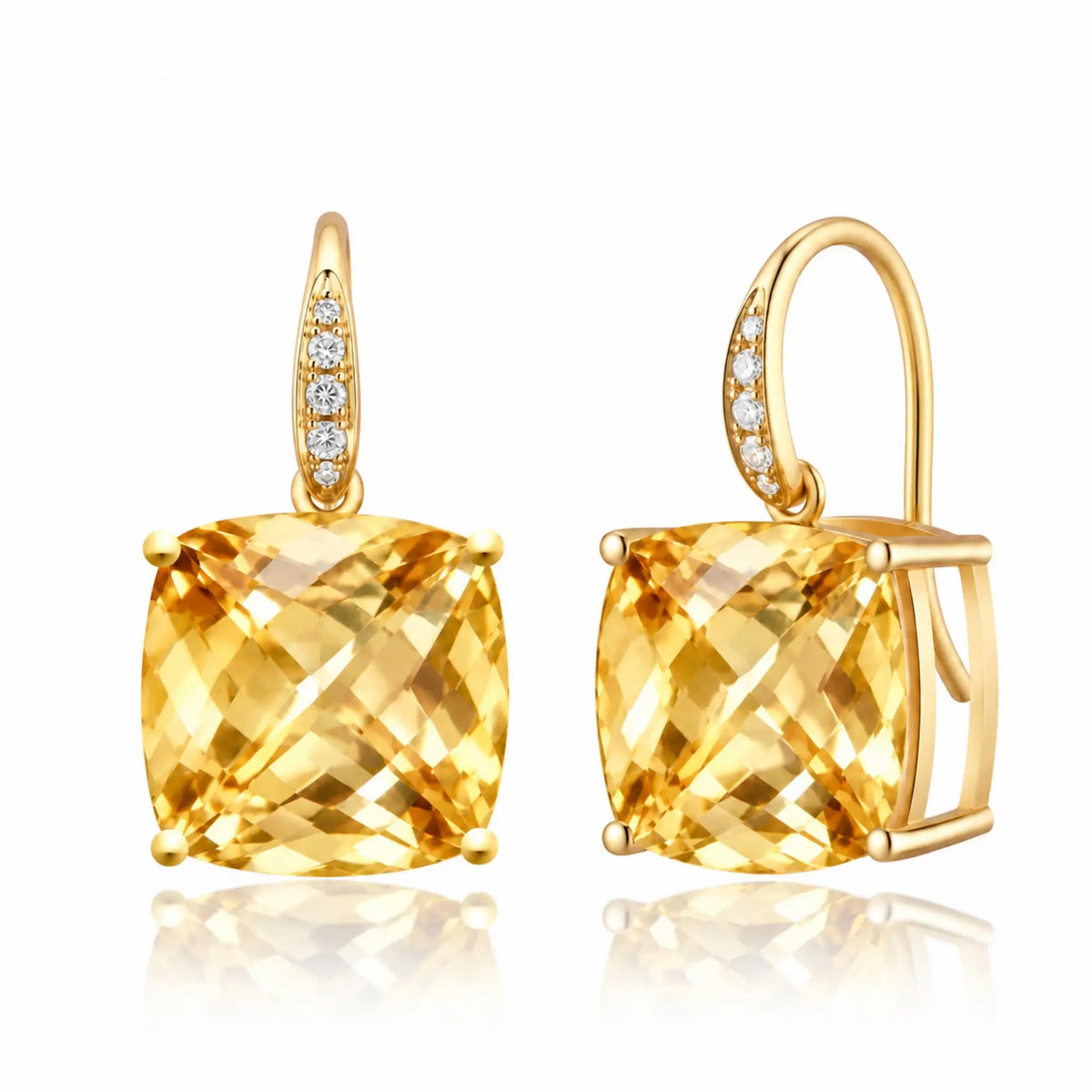
Think honey, golden hour, and the kind of warm amber that looks especially good in sunlight. Citrine is a variety of quartz, made of silicon dioxide (SiO₂), and its colors range from pale yellow to deep, brownish orange.
We're drawn to the richer end of that spectrum. Golden yellows and saturated amber tones that feel warm without being overly bright.
Citrine looks especially lovely set in yellow gold, where the colors play off one another. But we also love the contrast of warm citrine against white gold. It's a completely different look, and a good reminder that there's no single way to wear a gemstone.
Why We Love Citrine's Meaning
It's hard to look at citrine without feeling a little happier. Maybe that's why it's been associated with happiness, prosperity, and optimism for so long.
For us, citrine represents Joy and Confidence.
Is All Citrine Naturally Golden?
Not quite, and it's an interesting part of the gemstone's story.
Natural citrine does exist, but much of the citrine available today begins as natural amethyst, another variety of quartz. Heat treatment changes its color to those familiar golden and orange tones.
This is a widely accepted practice in fine jewelry. The gemstone remains natural quartz, even though its color has been altered.

So, Which November Birthstone Is Right For You?
That's where it gets fun.
If you're drawn to cool colors, topaz offers plenty to explore. Sky Blue feels light and understated, Swiss Blue has a little more personality, and London Blue is for anyone who loves a deeper, richer shade.
If warm colors are more your thing, citrine might be the one. Its golden tones feel especially at home in yellow gold, but they're just as interesting when paired with cooler metals.
There are a few practical differences worth knowing, too.
Topaz vs. Citrine: What's the Difference?
| Feature | Topaz | Citrine |
|---|---|---|
| Mineral | Aluminum silicate | Quartz (silicon dioxide) |
| Major Sources | Brazil, Pakistan, Sri Lanka, Nigeria | Brazil, Bolivia, Madagascar |
| Color Range | Blue, yellow, orange, pink, and more | Yellow to brownish-orange |
| Mohs Hardness | 8 out of 10 | 7 out of 10 |
| Toughness | Vulnerable to cleavage | Generally good |
| Common Treatments | Irradiation and heat treatment for blue topaz | Heat treatment of amethyst |
| Typical Price | Varies widely by color and quality | Often relatively affordable |
| Color Appeal | Cool blues and other varied hues | Rich golden and orange tones |
Note: Major sources are general gemstone-producing locations, not verified origins of individual KAI pieces.
Both can be wonderful choices. It really comes down to the color you love and how you plan to wear it.
A Few Tips for Keeping Your Jewelry Beautiful
We're big believers in actually wearing the jewelry you love. That said, a little care helps keep your gemstones looking their best.
Topaz ranks 8 on the Mohs hardness scale, so it's fairly resistant to scratches. But it has a distinct cleavage direction, which means a sharp impact can cause it to chip or split. Earrings and necklaces are often easier choices for frequent wear, while rings benefit from protective settings.
Citrine comes in at 7 on the Mohs scale. It's a little softer than topaz, but generally has good toughness. You'll still want to avoid hard knocks, scratches, and extreme temperatures.
For both stones, gentle cleaning and careful storage are good habits. And when you're not wearing your jewelry, keeping pieces separate can help prevent scratches.
It's a simple way to refresh your jewelry collection while making the most of pieces you already love.
A Few Things to Think About Before You Choose
The metal can completely change the feel of a gemstone. Citrine looks especially warm in yellow gold, while London Blue Topaz looks beautiful in both yellow and white gold. There's no wrong combination, just the one you like best.
It's also worth thinking about how you'll wear it. Earrings and necklaces tend to take fewer knocks than rings, making them great options for both gemstones. And if you're shopping for someone else, take a peek at the jewelry they already wear. Their favorite colors and metals are usually a pretty good clue.
Keeping Your Jewelry Looking Its Best
A little care goes a long way with both gemstones. Here's what to keep in mind:
Topaz: Clean gently with lukewarm water, mild soap, and a soft cloth or brush. Avoid steam and ultrasonic cleaners, sudden temperature changes, strong heat, and sharp knocks.
Citrine: Warm, soapy water and a soft cloth or brush will do the trick. Keep it away from steam cleaning, extreme heat, and sudden temperature changes.
Both: Store pieces separately to help prevent scratches, and take them off before activities that could damage them.
Two Birthstones. Plenty to Love.
The nice thing about November having two birthstones? You get to choose the one that feels right.
Maybe it's citrine's golden warmth. Maybe it's the deep, moody blue of London Blue Topaz. Or maybe you fall for a shade you never expected.
Explore Kai's topaz and citrine jewelry and find something you'll love wearing long after your birthday.